

How Do Vapes Work?
What’s Happening Inside Your Device
Vapes may look simple from the outside, but there’s a lot happening inside every time you take a draw. From battery activation to oil formulation, each component plays a role in how your session tastes, feels, and performs.
Understanding how vapes work — and how different oil types behave under heat — helps you choose products that align with your preferences for flavor, smoothness, and consistency.
The Core Components of a Vape
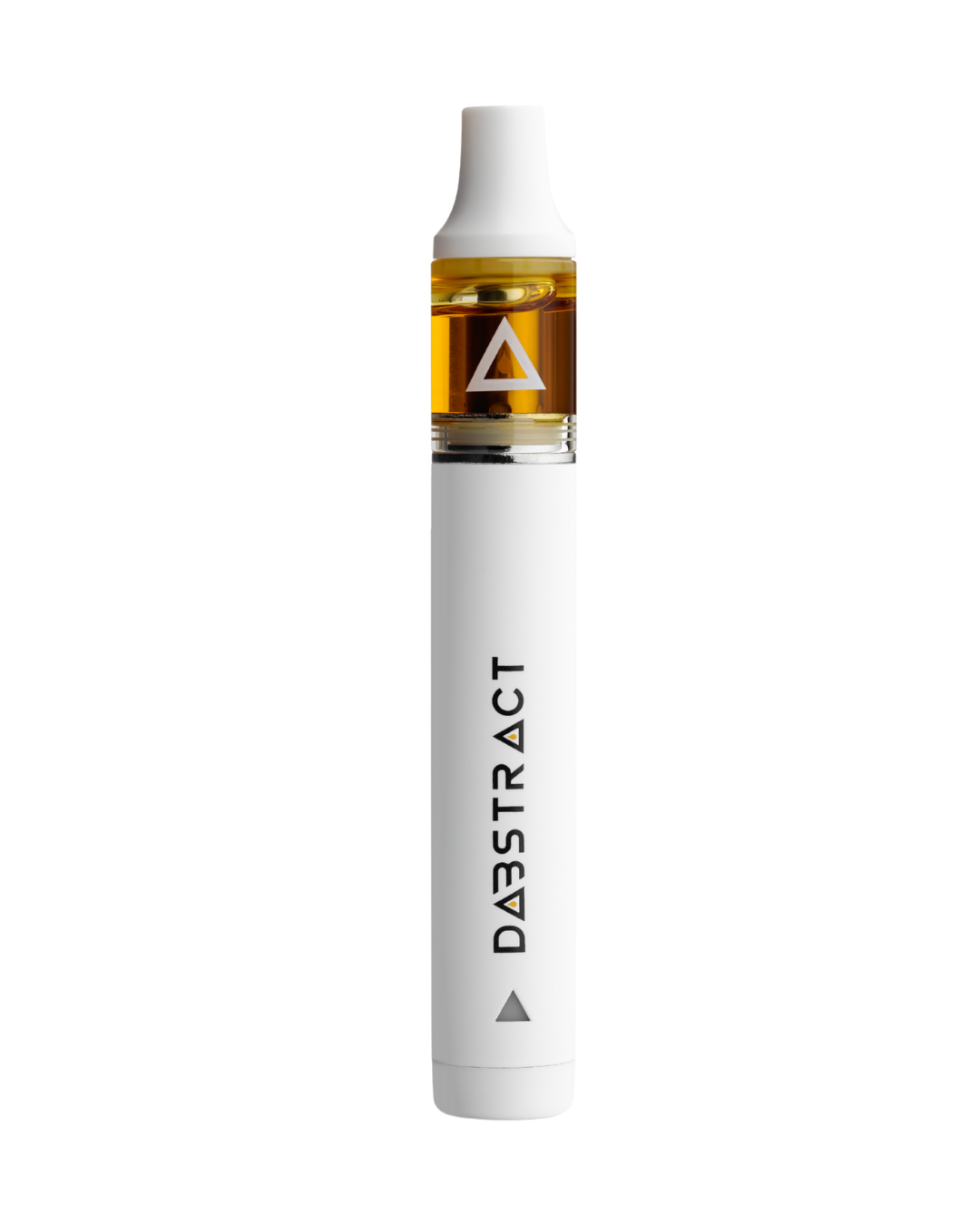
Whether it’s a cartridge or an all‑in‑one device, most vapes share three essential parts:
Battery
The battery powers the device. When activated (either by button or inhale), it sends energy to the heating element.
Heating Element (Atomizer / Coil)
The heating element converts electrical energy into controlled heat. This heat warms the oil to the point where cannabinoids and terpenes become vapor.
Oil / Extract
The oil inside the cartridge contains cannabinoids (like THC) and terpenes. When heated properly, these compounds aerosolize into vapor — not smoke.
Heat, Not Combustion
Unlike smoking, vaping does not rely on flame. Instead, it applies controlled heat to convert active compounds into vapor.
Because nothing is burned, vaping can:
Preserve more delicate terpenes
Reduce harsh smoke byproducts
Deliver a smoother inhale
However, heat management is critical. Different oil formulations respond differently to sustained heat exposure, and this is where product quality truly matters.
Why Oil Formulation Changes the Experience
Not all vape oils behave the same under heat. The composition of cannabinoids, terpene content, and refinement level all impact stability, flavor longevity, and resistance to oxidation.
Here’s how the most common oil types compare:
Full Resin Formulations
Full resin formulations (including high-terpene, less-refined extracts designed to maintain a broad plant profile) often contain a wider range of native cannabinoids and volatile terpenes.
Because these compounds are more sensitive to heat and oxygen exposure, full resin vapes can:
Be more susceptible to oxidation
Gradually develop darker oil color over time
Begin to taste burnt toward the end of the cartridge
This isn’t necessarily a flaw — it’s a characteristic of less-refined, terpene-rich oil being repeatedly exposed to heat. The more delicate the terpene structure, the more vulnerable it is to degradation.
Live Resin HTE (Distillate-Based Formulations)
Live resin HTE vape formulations typically combine terpene-rich fractions from fresh frozen flower with a refined cannabinoid base — often distillate.
Because distillate is highly purified and stripped down to activated cannabinoids, it provides:
A clean and stable foundation
Resistance to cannabinoid degradation under heat
Consistent potency throughout the life of the cartridge
Blending live resin HTE with a distillate base helps stabilize the formulation. The distillate reduces the likelihood of burnt cannabinoid taste while allowing the terpene fraction to express strain character.
One key benefit of distillate-based formulations is uncompromised potency. The refinement process allows for precise cannabinoid concentration while maintaining vapor stability.
Cannabis-Derived Terpene (CDT) Vapes
CDT vapes typically use a refined distillate base combined with terpenes extracted directly from cannabis.
Because the cannabinoid portion is purified, these formulations tend to be:
Stable under consistent heat
Less prone to burnt cannabinoid flavor
Potent and predictable
The cannabis-derived terpenes add strain-inspired aroma, while the distillate base supports longevity and smooth activation.
Botanical Terpene Vapes
Botanical terpene vapes also rely on a distillate base but use terpene blends derived from non-cannabis plants.
These formulations are generally:
Highly stable
Flavor-consistent
Resistant to oxidation
Because botanical terpenes are formulated for repeatability, they tend to maintain flavor consistency throughout the cartridge’s lifespan. However, they may not replicate the full nuance of strain-specific cannabis terpenes.
Liquid Diamonds
Liquid Diamonds formulations incorporate liquefied THCA crystals blended with terpene fractions to create a high-potency oil.
These vapes often emphasize:
Elevated cannabinoid concentration
Strong, immediate effects
Added terpene character for balance
Because of their potency focus, maintaining terpene balance and hardware compatibility is especially important to avoid harshness at higher temperatures.
Rosin (Solventless Vapes)
Rosin is extracted using only heat and pressure, without hydrocarbon solvents. Rosin vapes aim to preserve a more complete plant expression.
However, rosin formulations are:
More sensitive to oxidation
More susceptible to flavor change over time
Dependent on careful temperature control
If overheated, rosin can develop a darker color and burnt taste more quickly than highly refined formulations. Hardware compatibility is critical for maintaining flavor integrity.
Why Temperature Control Is Everything
All vape oils — regardless of type — are affected by heat.
Lower temperatures preserve terpene nuance.
Higher temperatures produce denser vapor but can accelerate degradation.
Repeated heat cycles gradually oxidize oil inside the cartridge.
The more refined the cannabinoid base, the more stable it tends to be under repeated heating. This is why distillate-based formulations often maintain consistent flavor and potency longer than less-refined, full-resin oils.
What Happens When You Inhale
When vapor is produced, cannabinoids and terpenes are aerosolized into microscopic droplets. These are absorbed through the lungs and enter the bloodstream quickly, leading to relatively fast onset compared to edibles.
A slow, steady inhale helps regulate coil temperature and reduces the likelihood of overheating the oil.
In Summary
Vapes work by using controlled heat to transform cannabis oil into vapor. But how that vapor tastes and performs depends heavily on the oil formulation inside.
Less-refined, terpene-rich oils may offer expressive flavor but can be more sensitive to heat and oxidation
Distillate-based formulations provide stability, clean activation, and consistent potency.
Blended systems like Live Resin HTE balance terpene character with structural stability.
Rosin and full resin oils require more careful temperature control to preserve flavor.
At the end of the day, a vape is only as good as the relationship between its hardware, its heat calibration, and the oil inside.
Because vaping isn’t just about producing vapor — it’s about preserving the integrity of what you put into it.
Legal Disclaimer
UCG Inc. and Dabstract offer this website for general informational purposes only. This information should not be used for diagnosis, nor should it be considered a replacement for consultation with a health care professional. If you have questions or concerns about your health, please contact your health care provider.
While UCG Inc. and Dabstract have endeavored to make sure the information contained in this web site is accurate, UCG Inc. and Dabstract cannot guarantee the accuracy of such information, and it is provided without warranty or guarantee of any kind.
Health information is provided for educational purposes and should not be used as a source of personal medical advice.